

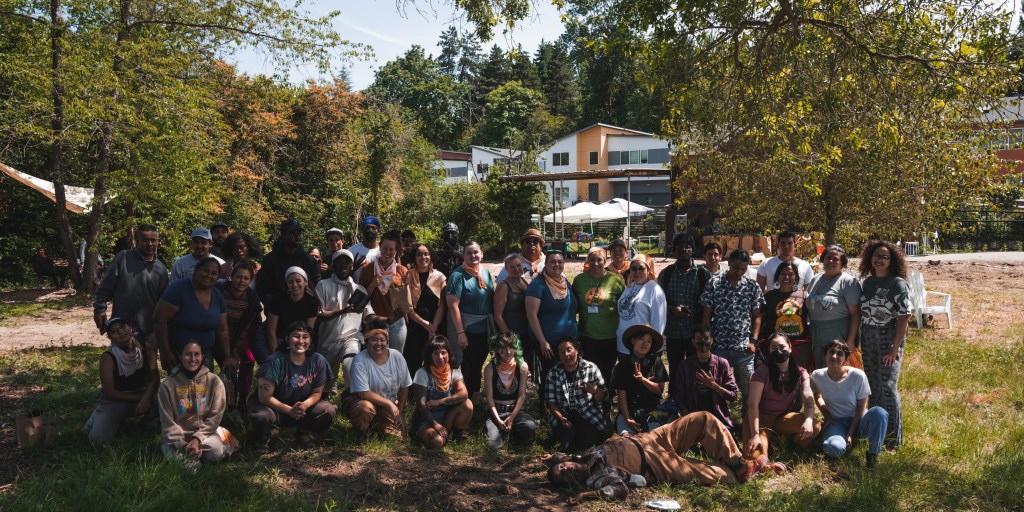
A broad range of community members, local groups, climate experts and policymakers play a role in climate action efforts for King County, Washington. One of those is the Climate Equity Community Task Force, which designed the county’s first climate justice framework and offers ongoing consultation as departments work to reduce emissions and ensure preparedness.
In this video, get to know Dinah Wilson, a member of the Climate Equity Community Task Force (CECTF), as she shares insights about her path into environmental justice and climate action work– and read on to learn more about her work with the CECTF.
Growing up in a rural area of Virginia, Dinah Wilson witnessed forms of environmental injustice and inaction on climate – but says she didn’t have the correct language at a young age to describe what she experienced. She just knew something wasn’t right.
“We didn’t have trash pickup, so people would burn it in barrels, with toxins going into the air, and much later I learned the ‘official’ terms of what was happening in my neighborhood compared to more affluent neighborhoods in the city near me; it was called environmental injustice,” Wilson said. “When [environmentally concerning] things are placed in neighborhoods that are already burdened, you realize the connection between that and politics, public policy, having voice.”
After moving to Washington, Wilson founded the Kent Cultural Diversity Initiative Group, which sponsored the first Refugee Employment Summit in King County. Because of her ties within the community, King County asked Wilson to join its first Climate Equity Community Task Force (CECTF).
The group went on to develop King County’s first climate justice framework. The official forming of the task force in 2019 built on previous years of climate justice work and leadership.
“We were able to meet people across communities and organizations and we really rolled up our sleeves and worked to come up with a strategic plan for people on the frontlines,” Wilson said. “There were a lot of battles we fought to be part of that conversation. It wasn’t always easy, and being on the task force we found our voice and realized our power. We learned to fight resistance and that to support what we were trying to do, we had to reach out and stand up for what we believed in.”
Wilson’s perspective is one of many that contributed to the Sustainable and Resilient Frontline Communities (SRFC) section of the 2020 Strategic Climate Action Plan, a framework that will be carried on into the 2025 plan. It centers the people most impacted by the effects of climate change, ensuring that the county’s work and financial investments will be effective for the people they’re meant to serve.
“A lot of folks who work in the environmental field think people who are often marginalized in our community – that they’re not aware of environmental issues, but they are aware,” Wilson said. “They may not have the language for it, they may not know where to go to do something about it, but they are knowledgeable about the impact it can have on them.”
Along with the SRFC section, the SCAP includes strategies and actions for work to reduce emissions and prepare for climate change impacts. Wilson says she’s hopeful about the progress she’s seen on some of these issues, but wants to make sure no one gets left behind.
“I think we’re seeing the value of electrification, and sometimes we need to have a bigger conversation about that,” Wilson said. “I support electrification- EVs and centering homes around electricity, making sure we listen to guidance about wood stoves and gas, I think we also- if we’re asking people to make those decisions to completely stop using fossil fuels, people need to know what that means on a practical level so that they are prepared for its unintended impact in a weather emergency.”
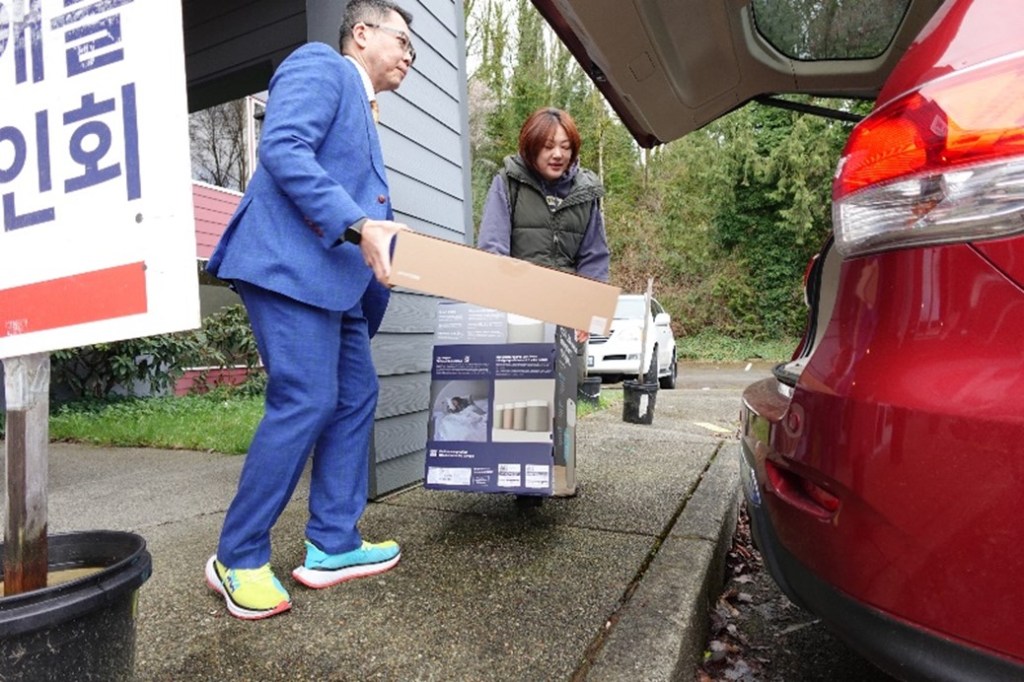
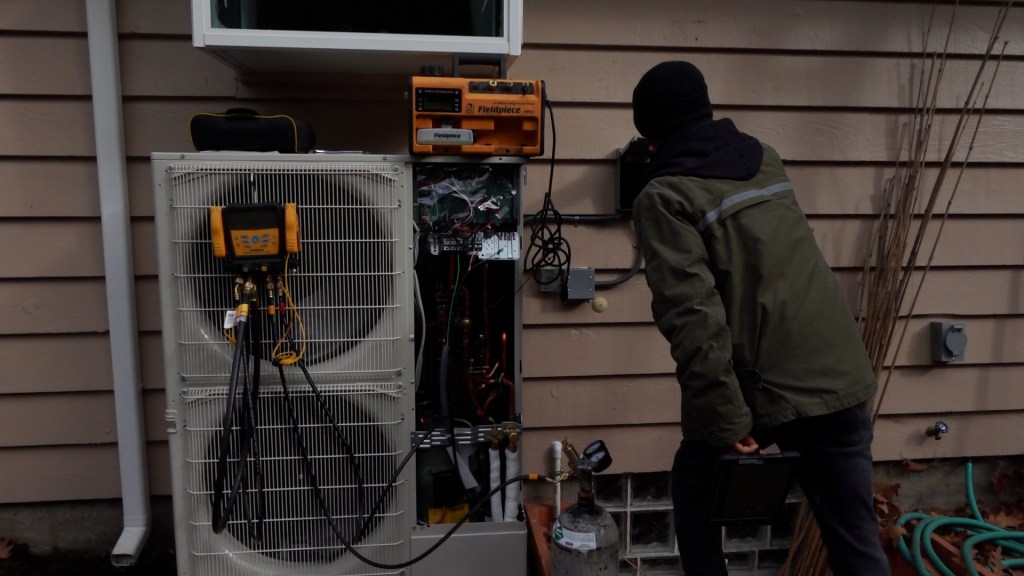
Wilson says for some households, a gas backup might still be needed to ensure warmth if the power goes out. She also notes the cost of switching to electric appliances. Input such as that informed King County programs like Energize, which installs free or lower-cost heat pumps and other energy-efficient technology in eligible King County homes and childcares.
The task force’s work goes beyond the SCAP, and Wilson and other members contribute ongoing work to climate action, equity and education efforts. Wilson says she is especially passionate about efforts to increase public education, improve language, and engage youth.
“The generations who are coming behind us, they’re doing a lot of work, and they’re an important part of the solution,” Wilson said. “They will teach their children, and their neighbors and their parents. I hear stories all the time about how youth influence their parents.”
She encourages folks who are interested in getting involved to check out environmental volunteer opportunities in their area, connect with nonprofits who do environmental justice work, check out volunteer opportunities for helping with park maintenance, and start learning more about public input opportunities to protect their local environment and prepare for the future.
“I really hope we make the changes we’re hoping to make. We’re living in a very challenging time politically and with devastating changes to the climate. It’s so easy to turn back, but I hope we keep going forward and keep making progress,” Wilson said. “When you turn back or stop that’s when you really get fall deeper into quicksand so to speak, and we can’t lose resolve on these critical issues.”
To learn more about King County’s climate action work, follow us on LinkedIn and Instagram, or subscribe for our newsletter here.


 King County Executive Climate Office (ECO)